

 13:41pm



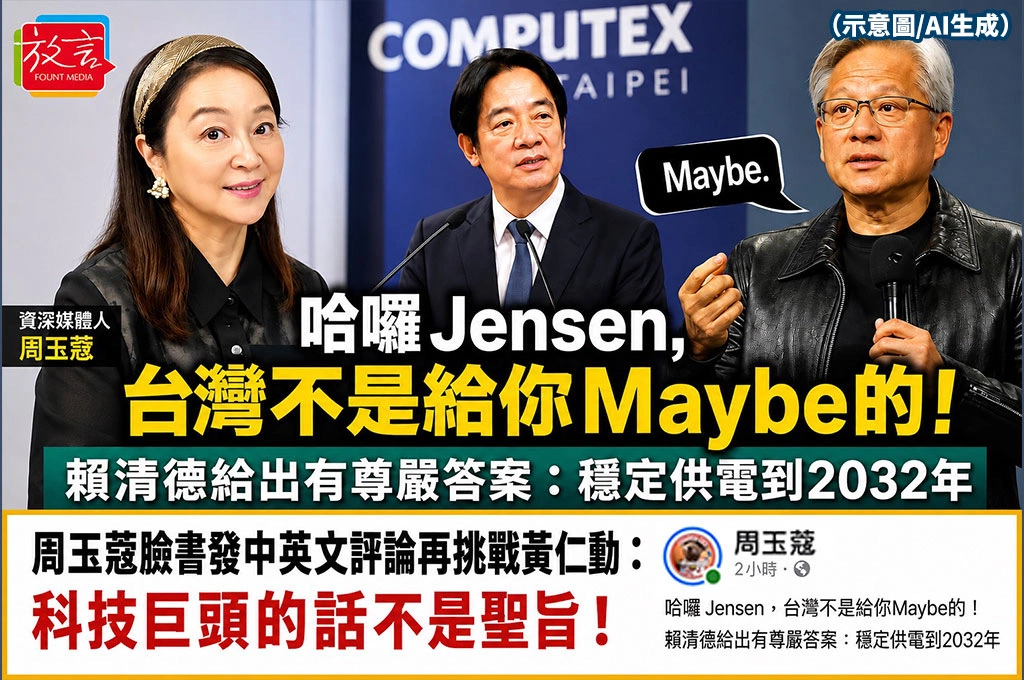
周玉蔻在文中表示,黃仁勳不能一邊享受台灣完整、穩定、世界第一流的半導體供應鏈,一邊又用一句「Maybe」冷酸台灣電力政策…
輝達執行長黃仁勳日前被問到台灣2030年前是否不缺電時,以一句「Maybe」回應,引發台灣能源政策與AI產業供電討論。總統賴清德今(2日)出席COMPUTEX開幕式時明確表示,台電備轉容量率約21%,未來一週也都維持20%以上,並承諾「穩定供電,到2032年以前都沒有問題」。
資深媒體人周玉蔻隨後在臉書發表中英文評論,以「哈囉Jensen,台灣不是給你Maybe的!賴清德給出有尊嚴答案:穩定供電到2032年」為題,直指賴清德今天是在國際科技舞台上,對黃仁勳「Maybe說」作出堅定、強勢且有尊嚴的回應。
周玉蔻在文中表示,黃仁勳不能一邊享受台灣完整、穩定、世界第一流的半導體供應鏈,一邊又用一句「Maybe」冷酸台灣電力政策。她強調,「有錢人的話,不是不能挑戰。科技巨頭的話,也不是聖旨。」
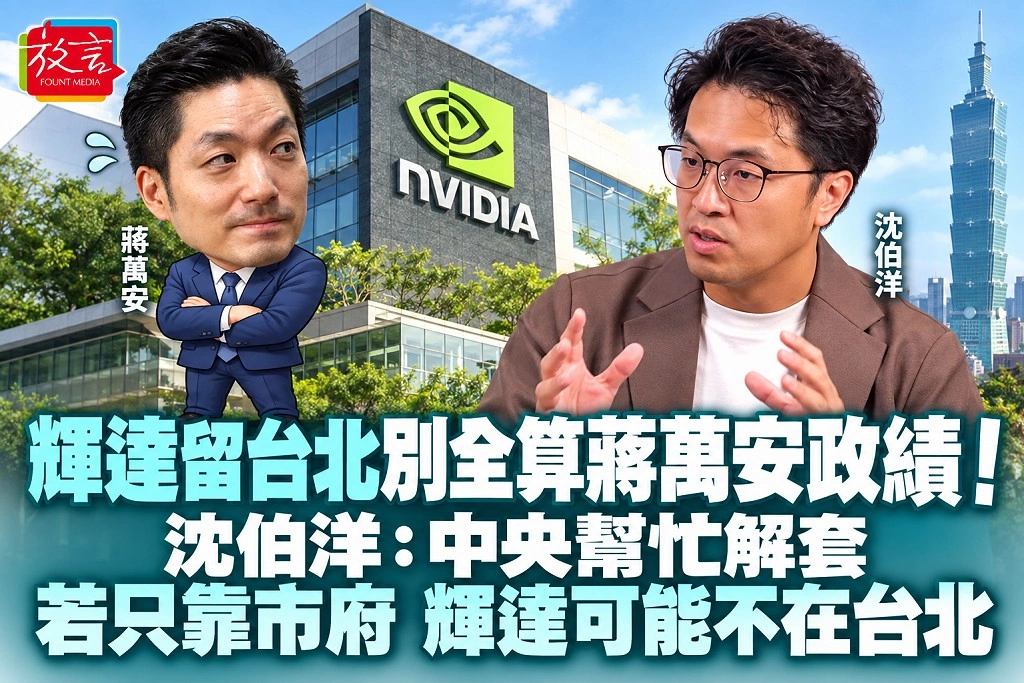
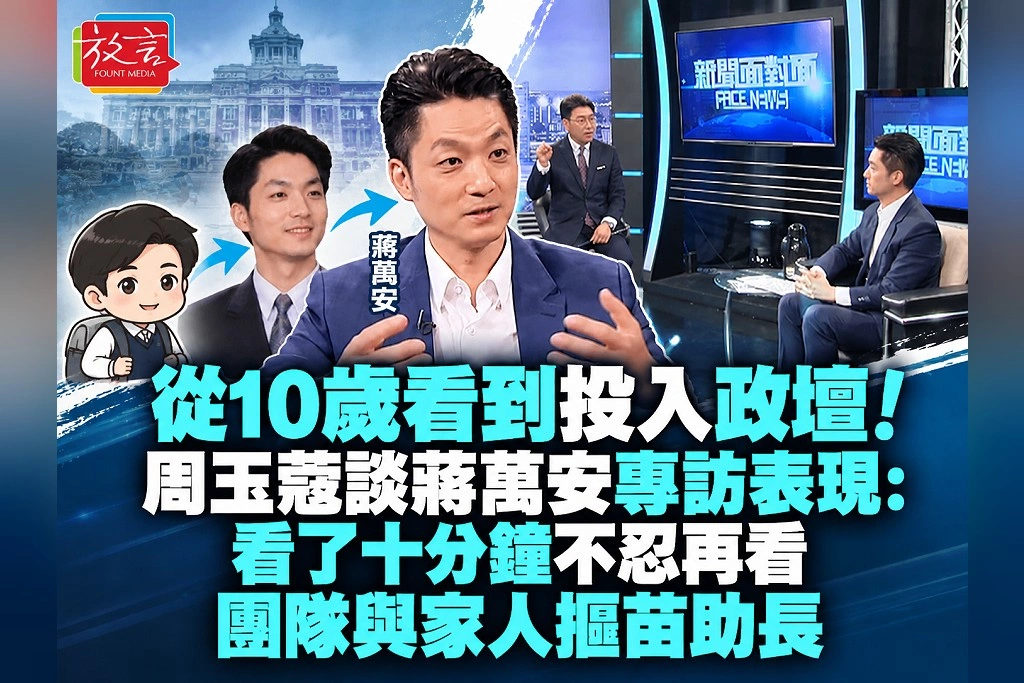
周玉蔻也點名台北市長蔣萬安。她指出,當媒體拿她對黃仁勳「Maybe說」的評論去問蔣萬安時,蔣萬安「不分青紅皂白」,沒有理解台灣真正面對的是電網、變電所、供電末端基礎建設問題,就胡亂回了一句「definitely」。她批評,台灣產業實力不是靠蔣萬安一句英文蹭聲量撐場面,北士科也不會因為市長蹭黃仁勳就自動供電。
周玉蔻寫道,黃仁勳問的是電,賴清德回答的是國家供電能力,蔣萬安蹭的是聲量,這三件事不能混在一起。她也肯定第一時間報導黃仁勳「Maybe說」的ETtoday第一線記者,認為那不是追星、不是抄稿,而是記者在現場聽見一句關鍵話,知道它會影響台灣社會對能源政策、AI產業與國家信心的判斷,所以把它寫出來。
周玉蔻強調,自己質疑黃仁勳的「Maybe說」,不是為了反黃仁勳。她清楚知道黃仁勳對台灣重要,也知道輝達對台積電、台灣供應鏈與全球AI產業有多大影響;但正因如此,黃仁勳更應該理解,「台灣不是他的供應鏈殖民地」,也不是可以被一句「Maybe」輕輕冷酸的地方。
她指出,台灣是讓輝達、AMD、OpenAI、Anthropic,以及全世界AI產業能夠繼續往前走的心臟。沒有台灣、沒有台積電、沒有半導體、封裝、伺服器、散熱、電力、工程師與供應鏈,今天的AI革命根本跑不起來。
周玉蔻最後寫道,「Maybe可以說,但台灣人也可以回答你。」今天賴清德總統已在COMPUTEX上親自回答黃仁勳:台灣穩定供電,到2032年以前沒有問題。她並強調,這不是個人的勝利,而是台灣媒體人應有的驕傲,「資深媒體人不是來拜科技巨頭的,我們是來替台灣問問題、守尊嚴、講真話的。」
【中文全文】
哈囉Jensen,台灣不是給你Maybe的!賴清德給出有尊嚴答案:穩定供電到2032年
文/#周玉蔻
賴清德總統今天在COMPUTEX上,對黃仁勳的「Maybe說」,做了堅定、強勢,也有尊嚴的回應。
他明確說,台電今天備轉容量率大約21%,未來一週備轉容量率都在20%以上。
更重要的是,他直接承諾:
穩定供電,到2032年以前都沒有問題。
這句話,終於讓這幾天被炒得沸沸揚揚的「Maybe爭議」,有了一個階段性的、尊嚴的答案。
前幾天,輝達執行長黃仁勳被問到台灣2030年前會不會缺電,他冷冷回了一句:
Maybe。
就是這一句話,引發我在臉書上直接開嗆。
我當時就說,Jensen,你不要一邊享受台灣完整、穩定、世界第一流的半導體供應鏈,一邊又用一句「Maybe」冷酸台灣的電力政策。
有錢人的話,不是不能挑戰。
科技巨頭的話,也不是聖旨。
台灣媒體那幾天更荒謬。
黃仁勳一句Maybe,大家緊張兮兮;我質疑這句Maybe是不是在冷酸台灣電力政策,媒體又跑去問蔣萬安,問他我的評論是不是太過分。
結果蔣萬安不分青紅皂白,根本沒有搞清楚我在批評的是什麼,也沒有理解台灣真正面對的是電網、變電所、供電末端基礎建設問題,就胡亂回了一句definitely。
然後媒體又像撿到寶一樣大做文章。
好像台北市長講一句英文,就能蹭滿黃仁勳的光;好像一句definitely,就能把北士科變電所拖延、台北市府基礎建設卡關、AI產業進駐所需要的供電網絡問題全部洗掉。
拜託。
台灣的能源政策,不是拿來讓科技巨頭一句Maybe定生死的。
台灣的產業實力,也不是靠蔣萬安一句definitely蹭聲量撐場面的。
更何況,他根本沒有說清楚台北市政府該負責的電網與變電所問題。
AI不是只靠口號進駐,資料中心不是靠英文單字運轉,北士科更不是靠市長蹭黃仁勳就會自動供電。
黃仁勳問的是電。
賴清德今天回答的是國家供電能力。
蔣萬安蹭的是聲量。
這三件事,不能混在一起。
但我也要特別說一句公道話。
第一時間報導黃仁勳「Maybe說」、並且準確抓出他是冷回台灣供電問題的ETtoday第一線記者,值得肯定。
那不是追星。
那不是抄稿。
那是記者在現場聽見一句關鍵話,知道它會影響台灣社會對能源政策、AI產業與國家信心的判斷,所以把它寫出來。
這就是第一線記者的專業。
媒體人不是只能在科技巨頭面前鼓掌、微笑、收讚美、吃米粉。
媒體人要聽得出關鍵字。
要抓得住政治重量。
要知道一句Maybe背後,可能會被放大成多少唱衰台灣、疑賴政府、疑台灣供電的操作空間。
我對黃仁勳的Maybe說提出質疑,不是為了反黃仁勳。
我當然知道他對台灣重要。
我也知道輝達對台積電、對台灣供應鏈、對全球AI產業有多大影響。
但正因如此,他更應該理解:
台灣不是他的供應鏈殖民地。
台灣不是可以被一句Maybe輕輕冷酸的地方。
台灣是讓輝達、AMD、OpenAI、Anthropic、全世界AI產業能夠繼續往前走的心臟。
沒有台灣。
沒有台積電。
沒有這一整套半導體、封裝、伺服器、散熱、電力、工程師、供應鏈。
今天的AI革命,根本跑不起來。
所以,哈囉,Jensen。
Maybe可以說。
但台灣人也可以回答你。
而且今天,是賴清德總統親自在COMPUTEX上回答你:
台灣穩定供電,到2032年以前沒有問題。
我的Maybe嗆聲,終於有了階段性答案。
也算沒有白嗆。
ETtoday第一時間抓到這句Maybe的第一線記者,也沒有白寫。
這件事證明,有錢人的話不是不能挑戰。
科技巨頭的話不是不能檢驗。
地方市長想蹭聲量,也不能用一句英文混過電網、變電所和基礎建設問題。
這不是我個人的勝利。
這是台灣媒體人應有的驕傲。
資深媒體人不是來拜科技巨頭的。
我們是來替台灣問問題、守尊嚴、講真話的。
【英文全文】
Hello Jensen, Taiwan Is Not Yours to “Maybe”
Lai Ching-te Gave Taiwan a Dignified Answer: Stable Power Supply Through 2032
By Yuhkow Chou
President Lai Ching-te gave a firm, forceful, and dignified response today at COMPUTEX to Jensen Huang’s now-famous “Maybe” remark.
He stated clearly that Taipower’s operating reserve margin today is around 21 percent, and that over the coming week, the reserve margin will remain above 20 percent.
More importantly, he made a direct commitment:
Taiwan will have stable power supply through 2032.
That sentence finally gave the “Maybe controversy” of the past few days a phased, dignified answer.
A few days ago, Nvidia CEO Jensen Huang was asked whether Taiwan would face power shortages before 2030.
He gave a cold reply:
Maybe.
That one word triggered my direct challenge on Facebook.
I said then: Jensen, do not enjoy Taiwan’s complete, stable, world-class semiconductor supply chain on one hand, while casually using the word “Maybe” to throw cold water on Taiwan’s energy policy on the other.
The words of rich people are not beyond challenge.
The words of tech giants are not holy scripture.
What was even more absurd was Taiwan’s media performance over those few days.
Jensen Huang said “Maybe,” and everyone became nervous. I questioned whether that “Maybe” was a cold jab at Taiwan’s electricity policy. Then reporters went to ask Taipei Mayor Chiang Wan-an whether my criticism was excessive.
Chiang Wan-an, without understanding the context, without distinguishing right from wrong, and without understanding that Taiwan’s real challenge lies in the power grid, substations, and last-mile power delivery infrastructure, casually replied with one word:
Definitely.
Then the media treated that word as if they had found treasure.
As if one English word from the Taipei mayor could fully bask in Jensen Huang’s spotlight. As if one “definitely” could erase the delay over the Beitou-Shilin Technology Park substation, the Taipei City Government’s infrastructure bottlenecks, and the power grid issues required for AI industry deployment.
Please.
Taiwan’s energy policy is not something to be judged by a tech giant’s single “Maybe.”
Taiwan’s industrial strength is not something to be propped up by Chiang Wan-an’s “definitely” for cheap publicity.
He has not even clearly explained the power grid and substation issues that the Taipei City Government itself is responsible for.
AI does not arrive through slogans.
Data centers do not run on English vocabulary.
And the Beitou-Shilin Technology Park will not automatically receive stable power just because the mayor tries to attach himself to Jensen Huang’s glow.
Jensen Huang asked about electricity.
Lai Ching-te answered with national power supply capacity.
Chiang Wan-an was chasing attention.
These are three different things. They must not be mixed together.
But I also want to say something fair.
The ETtoday frontline reporter who first reported Jensen Huang’s “Maybe” remark, and accurately captured that he had given a cold reply on Taiwan’s power supply issue, deserves recognition.
That was not celebrity worship.
That was not copying a press release.
That was a reporter at the scene hearing a key sentence, understanding that it could affect Taiwan society’s judgment of energy policy, AI development, and national confidence, and writing it down.
That is frontline journalism.
Journalists are not supposed to only applaud, smile, receive praise, and eat rice noodles in front of tech giants.
Journalists must be able to hear the key word.
They must grasp the political weight.
They must understand how one word, “Maybe,” can be magnified into a tool for talking down Taiwan, doubting the Lai administration, and questioning Taiwan’s power supply.
My challenge to Jensen Huang’s “Maybe” was not about being anti-Jensen.
Of course I know how important he is to Taiwan.
Of course I know how much Nvidia matters to TSMC, to Taiwan’s supply chain, and to the global AI industry.
But precisely because of that, he should understand one thing even more clearly:
Taiwan is not his supply-chain colony.
Taiwan is not a place to be lightly chilled by one casual “Maybe.”
Taiwan is the heart that allows Nvidia, AMD, OpenAI, Anthropic, and the entire global AI industry to keep moving forward.
Without Taiwan.
Without TSMC.
Without this complete system of semiconductors, advanced packaging, servers, cooling systems, electricity, engineers, and supply chains.
Today’s AI revolution would not be able to run.
So, hello, Jensen.
You may say “Maybe.”
But Taiwanese people can answer you.
And today, President Lai Ching-te answered you directly at COMPUTEX:
Taiwan’s power supply will remain stable through 2032.
My challenge to “Maybe” finally received a phased answer.
So yes, I did not challenge it for nothing.
The ETtoday frontline reporter who caught that “Maybe” did not write it for nothing either.
This proves one thing:
The words of rich people can be challenged.
The words of tech giants can be examined.
And local mayors chasing attention cannot use one English word to gloss over power grids, substations, and infrastructure problems.
This is not my personal victory.
This is the pride that Taiwanese journalists should have.
A senior journalist is not here to worship tech giants.
We are here to ask questions for Taiwan.
To defend Taiwan’s dignity.
To speak the truth.
(圖片來源:AI示意圖)
 2026.10.21